
BLOG
Peptides Before and After
ago
Peptides Before and After: A Realistic Guide to Results, Timelines, and What to Expect
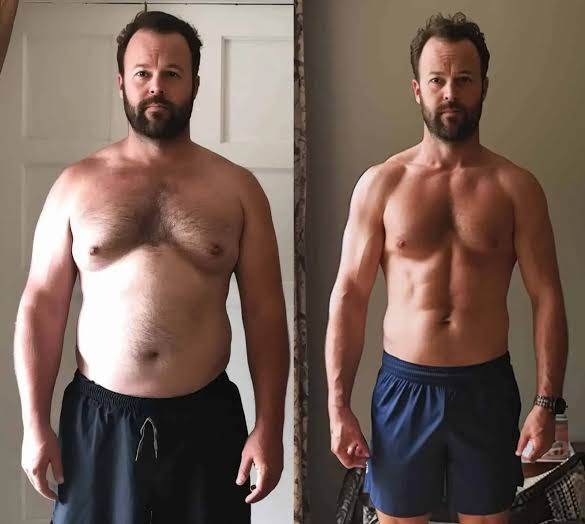
If you’ve spent any time browsing fitness or skincare content online, you’ve likely encountered dramatic peptide before-and-after photos. From jaw-dropping body transformations to seemingly airbrushed skin, the promises can feel nothing short of miraculous. But how much of what we see is real, and what can you actually expect from different types of peptides?
The truth is that results vary dramatically depending on the type of peptide, how it is administered, and the individual’s unique biology. Here is a realistic, evidence-based breakdown of peptide before-and-after results across categories.
Understanding the Basics: Why Peptide Results Take Time
One of the most important concepts to grasp is that peptides work through cumulative signaling, not immediate magic. Unlike a drug that might offer instant relief, peptides encourage your body to produce more collagen, enhance cellular repair, or stimulate hormonal pathways over time .
This means that expecting a “wow” moment overnight is unrealistic. As one reviewer noted after six weeks of using a peptide serum, “the big ‘wow’ moment never came—instead, quietly, my skin started to look better” . The timeline for visible changes typically starts at four to eight weeks of consistent use, with more significant shifts happening between three and six months .
Topical Skincare Peptides: The Quiet Transformation
For skincare, peptides are often formulated into serums and creams to stimulate collagen and elastin production, improving skin quality and tone . The before-and-after results here are usually subtle but meaningful.
The Timeline for Skincare Peptides
- Weeks 1–2: Some users notice an improvement in surface smoothness, though many feel underwhelmed at this stage .
- Weeks 3–4: Subtle changes like reduced redness and a more even skin tone begin to appear .
- Weeks 4–8: Visible improvement in firmness and a reduction in the depth of fine lines become noticeable . A clinical study noted significant reductions in wrinkle parameters after eight weeks of peptide serum use, supported by photographic evidence .
A realistic “after” photo for skincare shows plumper, bouncier skin with less visible redness and smaller-looking pores . If you stop using the product, results gradually diminish as collagen production returns to baseline levels .
Injectable Peptides for Body Composition and Recovery
The most dramatic “before and after” photos—often showing significant weight loss or muscle gain—are typically associated with injectable peptide therapy. However, these images often lack critical context.
GLP-1 Agonists and Weight Loss
When people search for “peptides before and after” related to weight loss, they are often referring to GLP-1 receptor agonists. These are the only peptides with robust evidence for achieving significant weight loss (15+ pounds or more). The timeline for a dramatic photo transformation here is typically 6 to 12 months, with maintenance required afterward to sustain results .
Recovery and Muscle Support
For injury recovery, peptides like BPC-157 and TB-500 are often discussed. A realistic “after” for this category isn’t a dramatic photograph but rather a timeline of 3 to 12 weeks of subjective improvement in pain and function . Research also supports the use of oral collagen peptides for recovery. A 2019 study found that participants consuming collagen peptides before and after strenuous exercise experienced better recovery of jumping performance and less muscle soreness at 48 hours post-exercise compared to those taking a placebo .
A Word of Caution: Many injectable peptides are not FDA-approved for general use and are sold as “research chemicals.” Because of this, people can often achieve similar results through other means, making the “before and after” misleading. A person’s transformation could be due to changes in diet, training, or other medications . Always consult a doctor before considering injectable peptide therapy .
Hair Peptides: A Long Game
For hair growth, peptides like GHK-Cu are used topically. If you are looking at hair before-and-after photos, be wary of shots taken just two weeks apart; hair grows slowly, and significant changes take months .
Realistic Hair Growth Timeline
- Weeks 1–6: A possible “shed phase” may occur, where old hairs fall out to make room for new growth .
- Weeks 8–12: Shedding stabilizes, and the scalp may feel healthier and less irritated .
- Weeks 12–16: First visible “baby hairs” (vellus) may appear at the hairline or crown .
- Weeks 16–24: Terminal hair density starts to increase in responders .
- Week 24–36: Noticeable improvement in overall density is visible in parted-hair photography .
A realistic 24-week before-and-after shows moderate density improvement in good responders, no change in a meaningful fraction of users, and worse-than-expected outcomes in a small minority .
How to Spot a Fake Peptide Before-and-After
Given the prevalence of misleading marketing, it is essential to be a critical consumer. Use this checklist when evaluating before-and-after photos:
Lighting and Conditions
- Lighting: Is the lighting consistent? A warm-to-cool shift can artificially add a “glow” to the skin . Look for natural window light.
- Background and Distance: Are the background, camera distance, and angle exactly the same? These should not change between photos .
- Pose: Is the person relaxed in both photos? A flexed “after” vs. a relaxed “before” exaggerates muscle definition .
The Person and the Story
- Tattoos and Moles: Do the identifying features (tattoos, scars, moles) match in both photos? .
- Clothing: Is the same clothing being worn? Different outfits can change body shape perception .
- Metadata: Is there metadata preserved? Some stolen or fake photos have been scrubbed of their original data .
Red Flags
- Stock Photos: A quick reverse image search can reveal if the “results” are just stock photography .
- AI Generation: Look for warped details like extra fingers or distorted earrings, which are signs of AI-generated images .
- Unrealistic Claims: Be skeptical of marketing claims that promise results in a timeframe that doesn’t match the class timeline (e.g., “GLP-1 results in 2 weeks”) .
Final Verdict: Setting Realistic Expectations
The search for “peptides before and after” reveals a spectrum of possibilities, but the most important takeaway is to be realistic. Dr. Katharine Abbot, a pharmacist, notes that for non-FDA-approved peptides, there simply isn’t enough data to clinically recommend them . However, when used correctly and with realistic expectations, peptides can be powerful tools for gradual improvement.
The Bottom Line:
- Skincare: Expect subtle but real improvements in skin brightness, firmness, and tone within 8 weeks.
- Body and Recovery: Injectable peptides can aid significant weight loss or recovery, but always under medical supervision, and results take months.
- Hair: This is a 6-month commitment with moderate results at best.
Always consider the source of before-and-after photos and remember that “healthy user bias” often plays a role—people who take peptides are also often working out more and eating better . Be patient, do your research, and consult a professional to determine if peptides are right for your specific goals.

 Português do Brasil
 English